
The Entry/Exit System (EES) is the European digital border control system at the external borders. This system replaces physical passport stamps.
Who does it apply to?
The EES applies to travellers from outside the European Union and the Schengen area (non-EU nationals) travelling to or via the Netherlands for a short stay of up to 90 days (within a 180-day period).
If you do not fall into this category, you do not need to register in the EES. Regular border control will not change for you.
What data is registered?
During your first registration, the Royal Netherlands Marechaussee processes the following in the EES:
-
Your passport details.
-
A facial photograph.
-
Your fingerprints.
-
The date and location of your entry or exit.
Your data remains valid in the central register for 3 years. If you travel again within this period, the Marechaussee will only verify your passport and biometric data.
Travelling via Amsterdam Airport Schiphol
Schiphol is currently the only location in the Netherlands where certain travellers from outside the EU can use automated eGates for the EES process.
On arrival
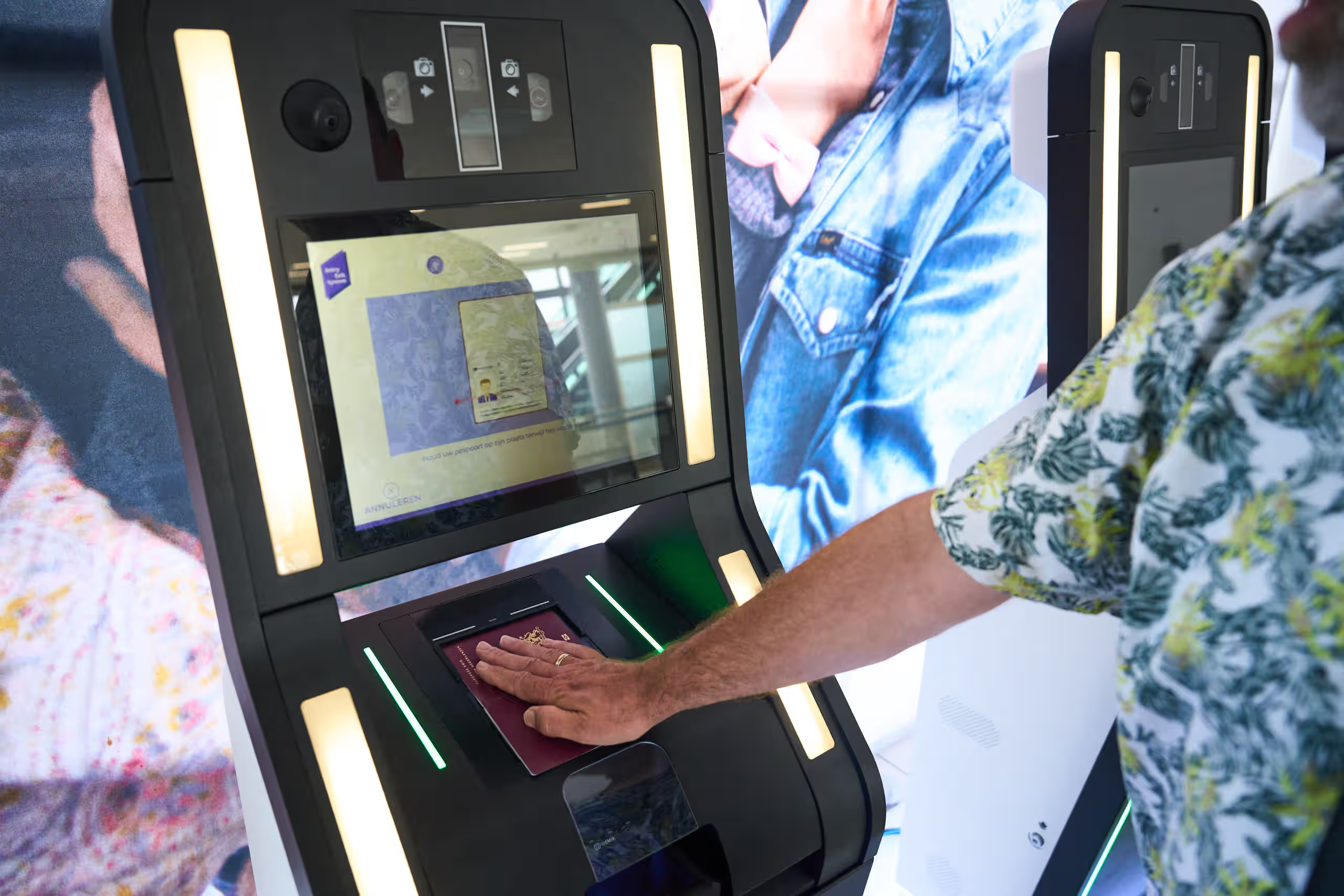
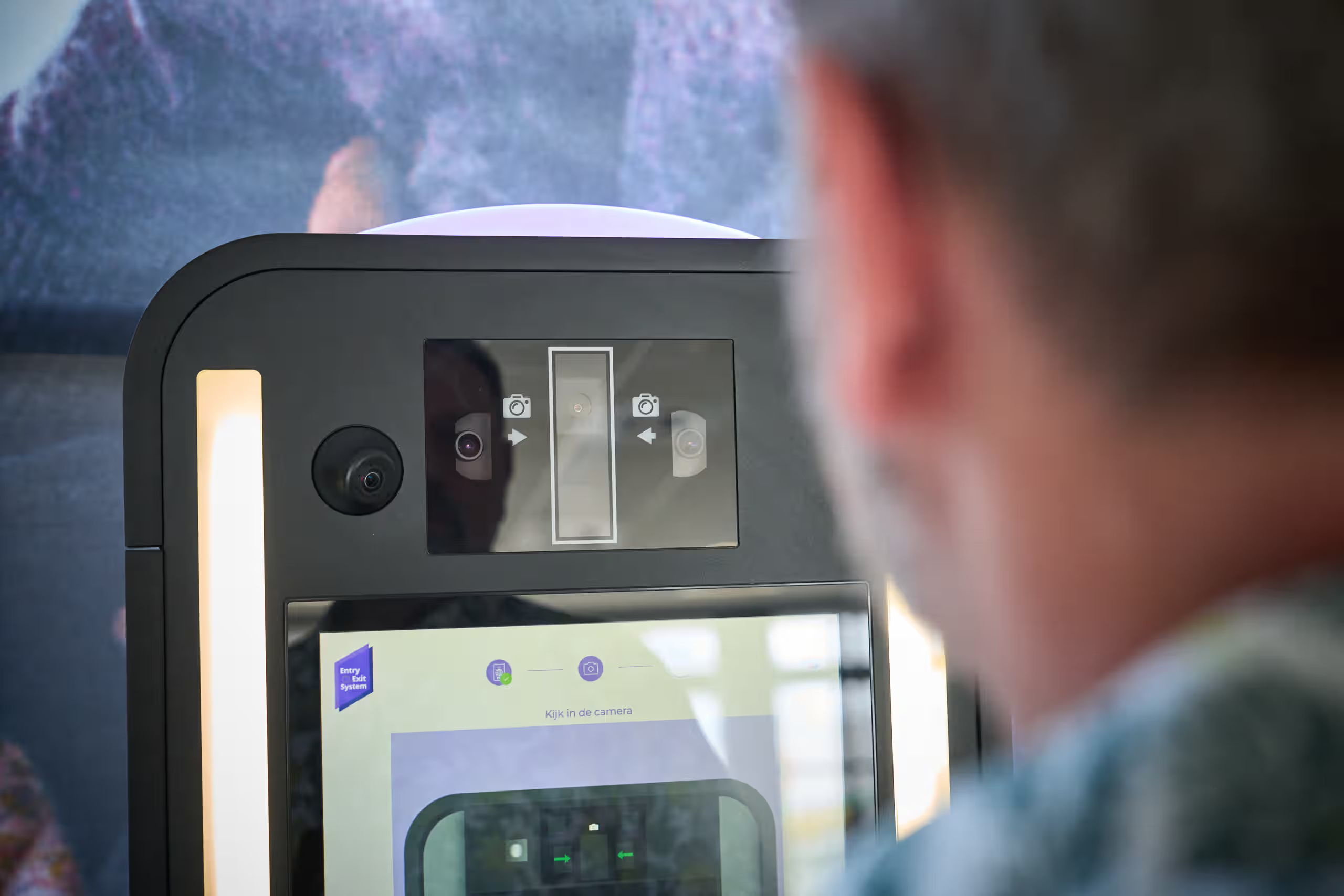
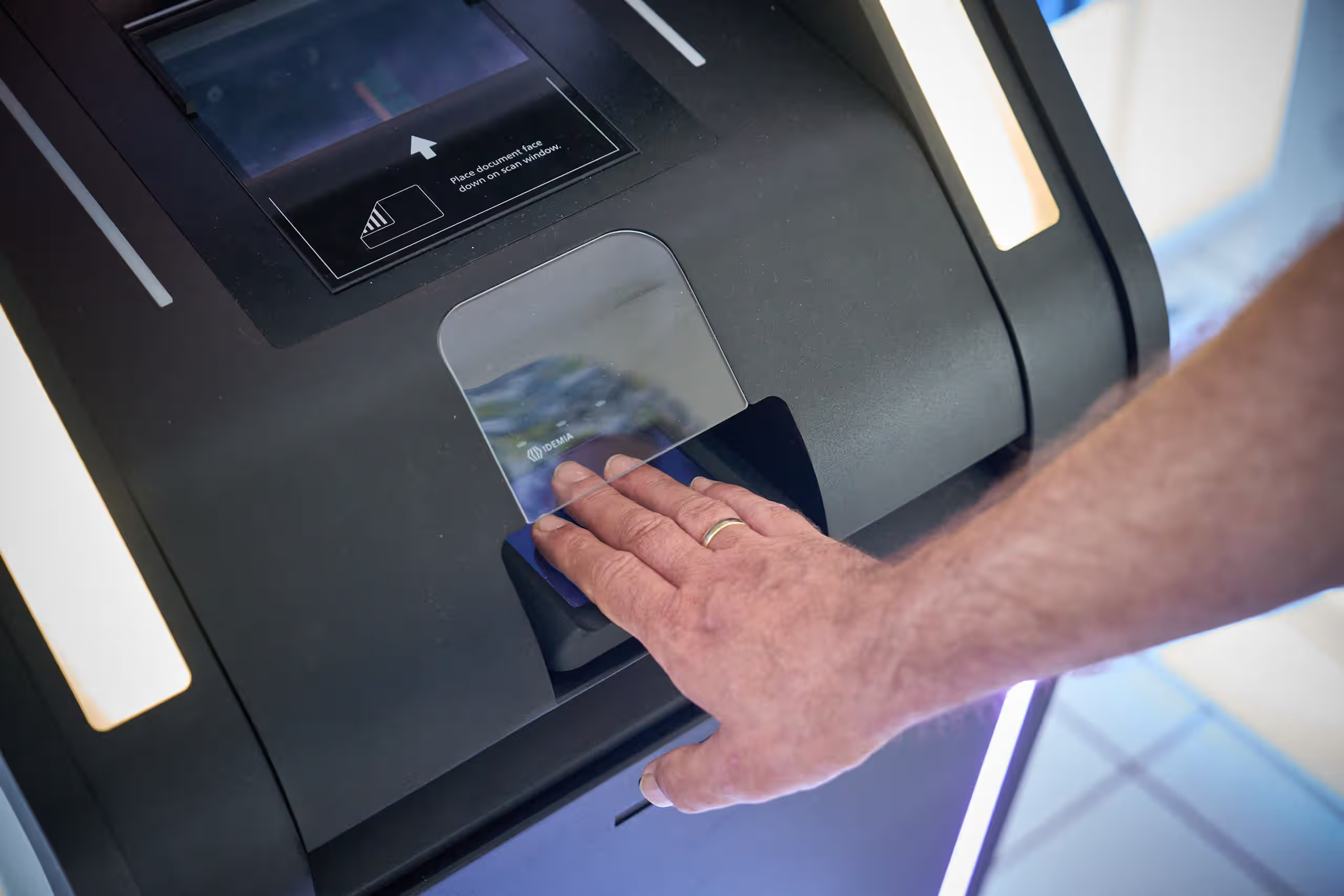
On arrival at Schiphol, follow the 'Non-EU passports' signs. Travellers aged 12 and over enter their details at the EES kiosk and have a facial photograph and fingerprints taken.
How does the EES kiosk work?
Next steps after pre-registration
After pre-registration at the kiosk, follow the instructions on the screen:
-
Route 1 (eGate): for travellers aged 14 and over holding a passport with a chip from eligible countries.
-
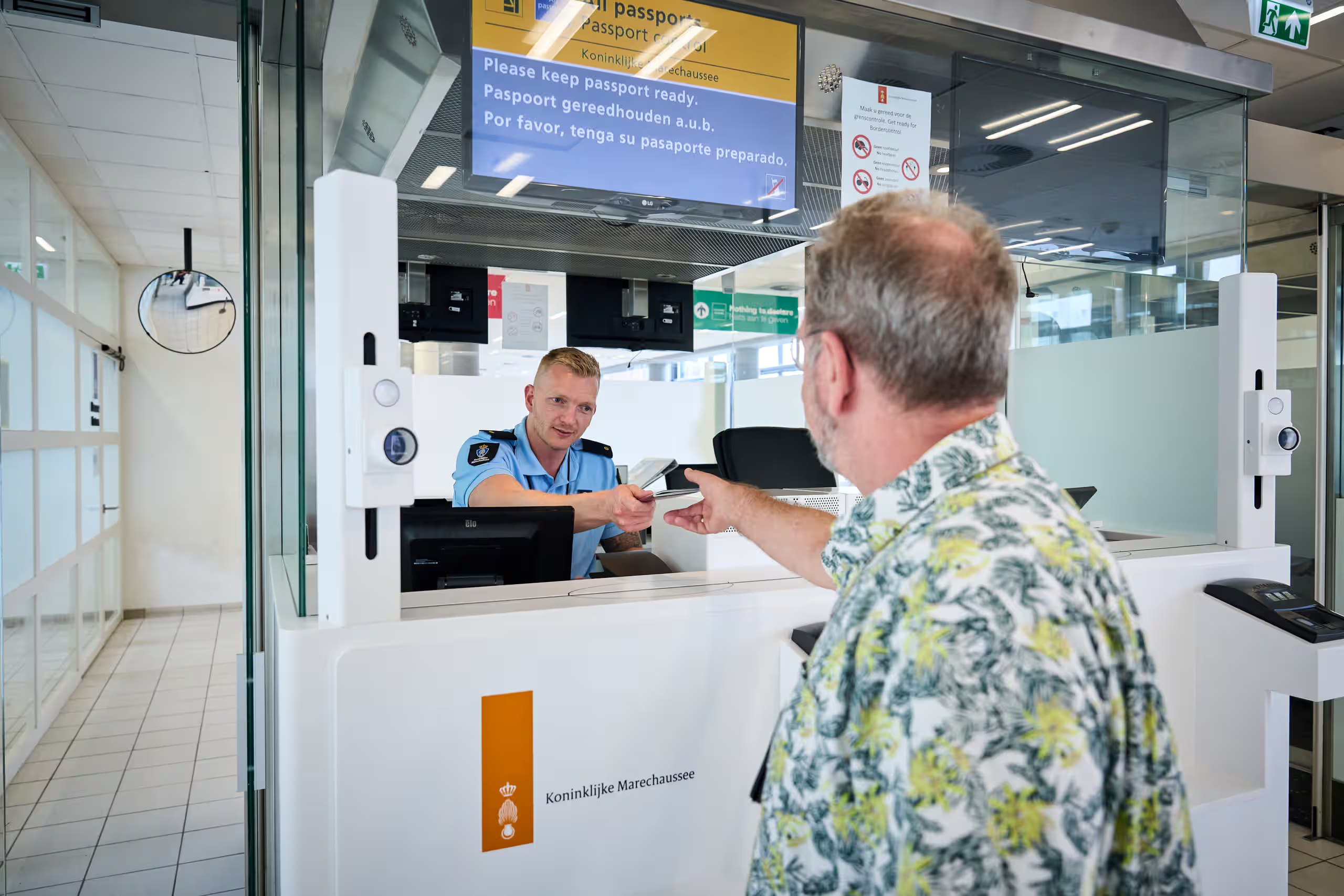
Route 2 (border desk): for travellers aged 12 and 13, other nationalities, or if a notification appears on the screen. Please report to a staff member at the desk.
On departure
On departure via Schiphol, only travellers aged 14 and over holding a passport with a chip from eligible countries (EU/Schengen countries and selected non-EU countries) can use the eGates. The system registers your exit automatically.
Travellers of other nationalities or children under 14 years of age cannot use the eGates on departure. They proceed to the manned Marechaussee desk.
Travelling via other airports, seaports or railway stations
There are no eGates at any other Dutch border control posts (such as Rotterdam The Hague Airport, Eindhoven Airport, ferry terminals, and international railway stations). Border control here always takes place at the manned Marechaussee desk.
If EES kiosks are available at the location, use them for pre-registration to shorten your processing time at the desk. A Marechaussee officer will then perform the final check at the border desk. If there are no kiosks at the location, the officer at the desk will complete your full registration.
Age requirements
Under 12 years of age
You do not use kiosks or eGates. Full registration and border control take place at the manned border desk.
Ages 12 and 13
You use the EES kiosk for pre-registration. After pre-registration, you will always be referred to the manned border desk.
Aged 14 and over
You use the EES kiosk for pre-registration and – subject to your nationality – may use the eGates at Schiphol.
Privacy
The Marechaussee collects and stores travellers' data securely, in accordance with the strict privacy regulations of the European Union. If you would like to know more about these regulations and your rights, please visit the EU website. The privacy statement of the Marechaussee explains exactly how we use your data for the EES.
Is your EES registration incorrect?
Do you suspect an incorrect entry or exit registration, are you dealing with duplicate records, or are you experiencing technical issues?
Find out what steps you can take and how to submit a request for correction.