
Mobile Security Monitoring (MTV) involves the supervision of persons traveling to the Netherlands from another Schengen country. The Royal Netherlands Marechaussee carries out these targeted checks on a spot-check basis at the borders with other countries in the Schengen zone. These inspections take place on the road, on trains, on the water, and at airports. Because these are not standard checks, travel can usually continue without delay.
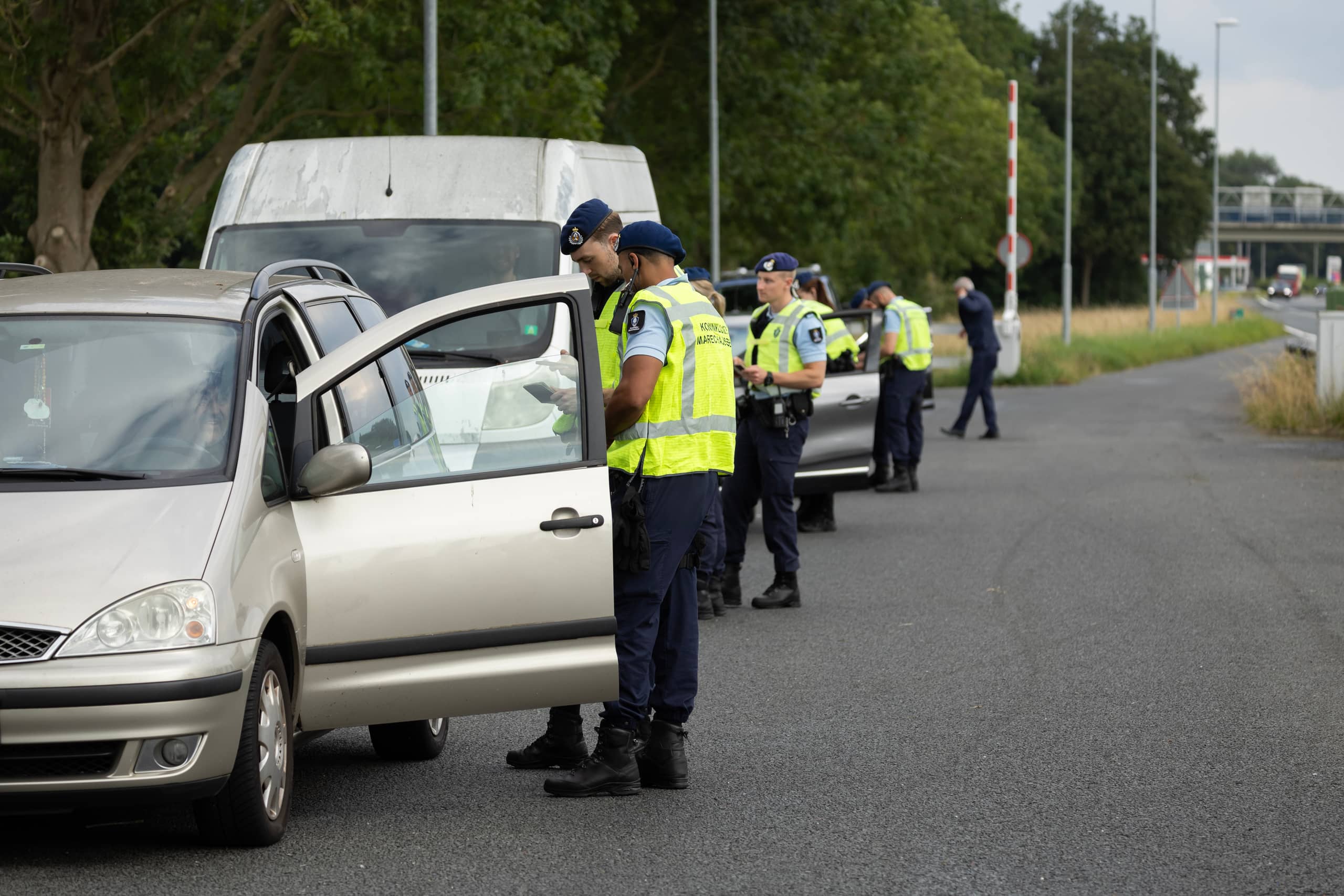
On the road
Road monitoring is conducted through targeted operations. During larger-scale checks, a section of the highway is designated as a control lane. A selection of vehicles is directed to this lane for inspection, while other traffic continues on its way. For the safety of personnel and road users, a lower speed limit often applies at these locations. In addition, motorcycle units perform mobile checks by selecting specific vehicles at the border and escorting them to a suitable location for inspection.
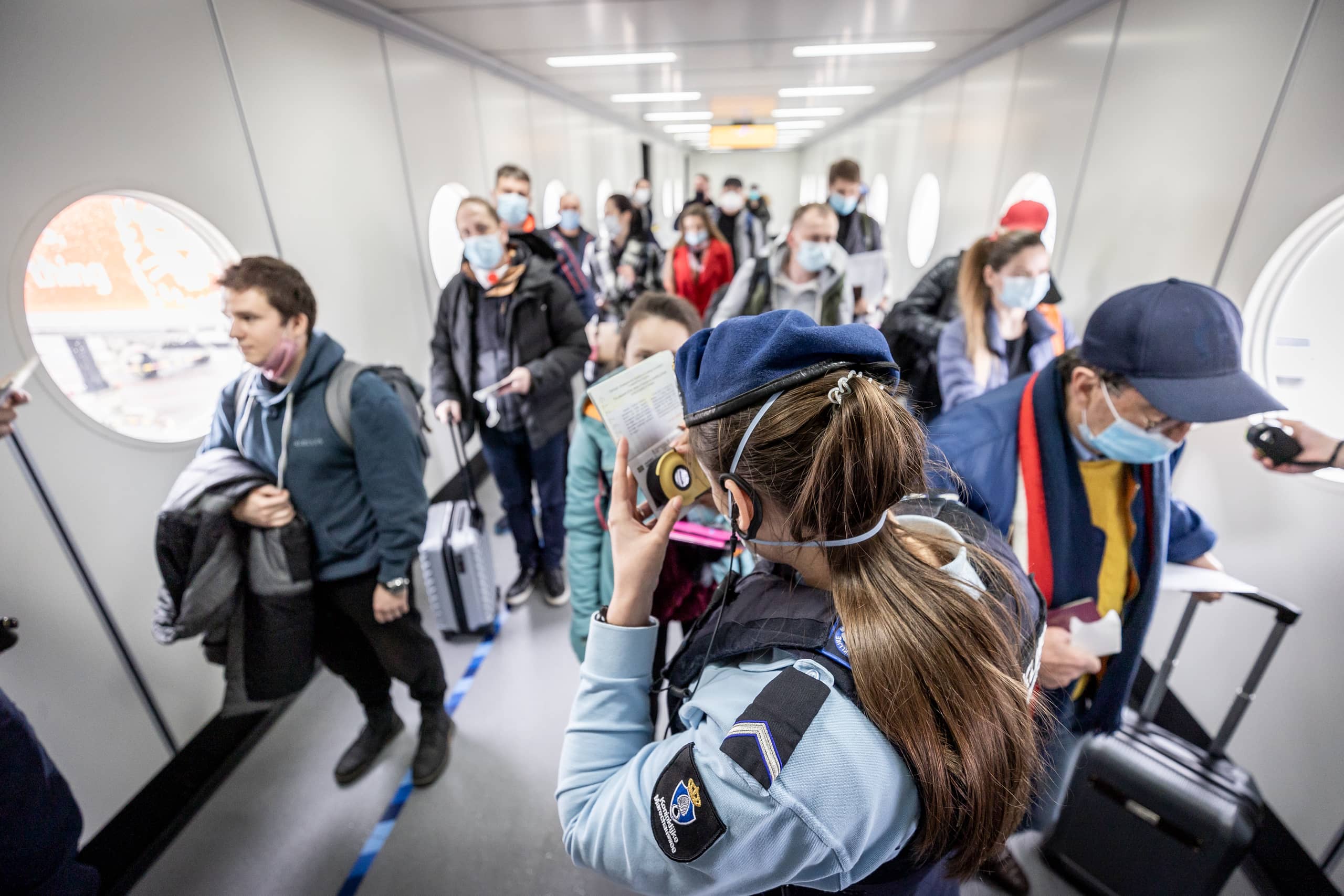
At airports
At airports, travel document checks take place at the arrival gates of flights from within the Schengen area. This supervision is risk-based: checks are not performed on every flight. The Marechaussee only carries out inspections on specific flights based on information regarding crime or irregular migration. Passengers on flights that have not been selected will not encounter a check.
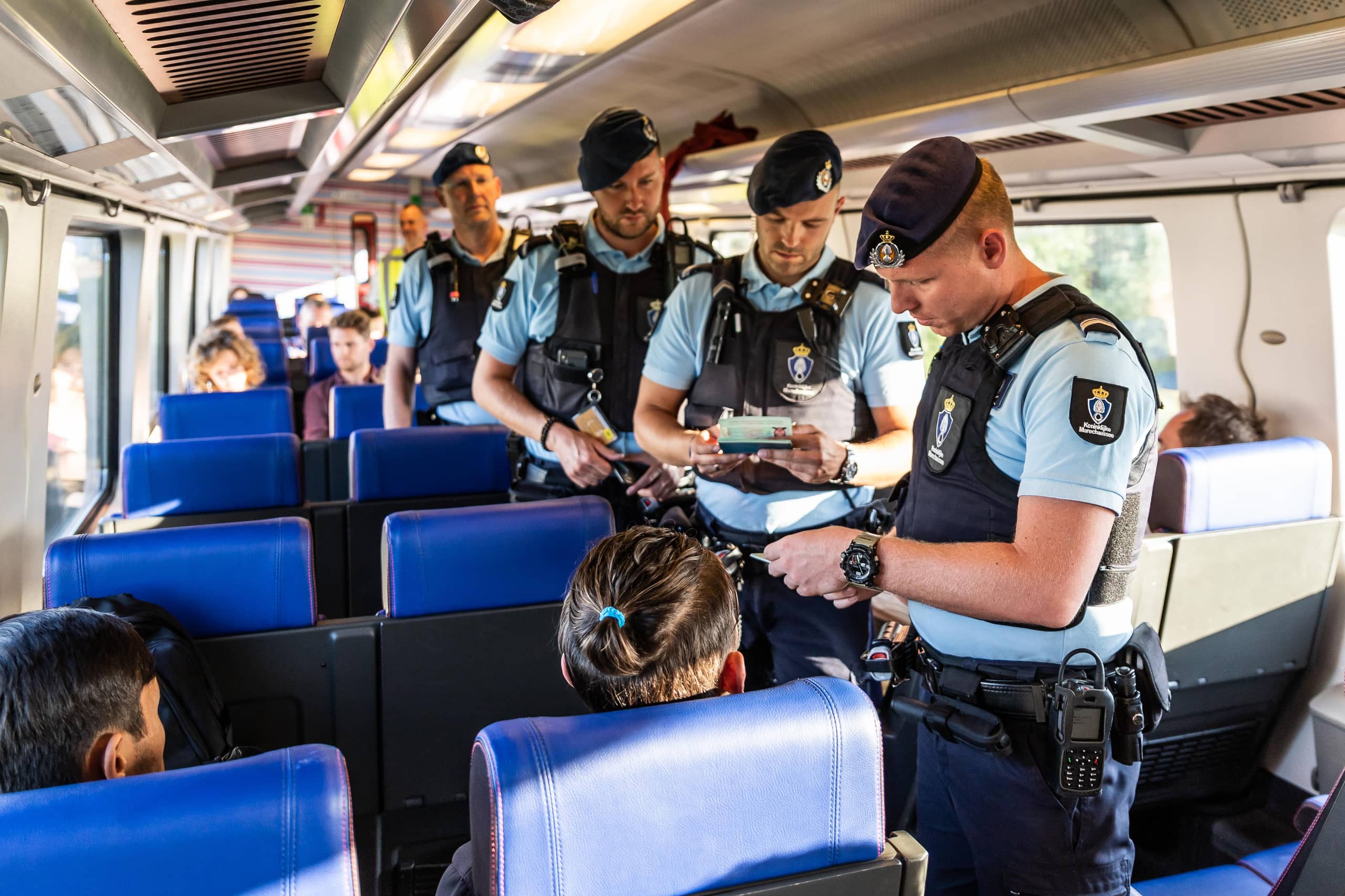
On trains
On international trains from the Schengen zone, monitoring takes place within the train carriages. Marechaussee officers move through the train and check passengers' documents on a spot-check basis. There is no full inspection of all passengers.
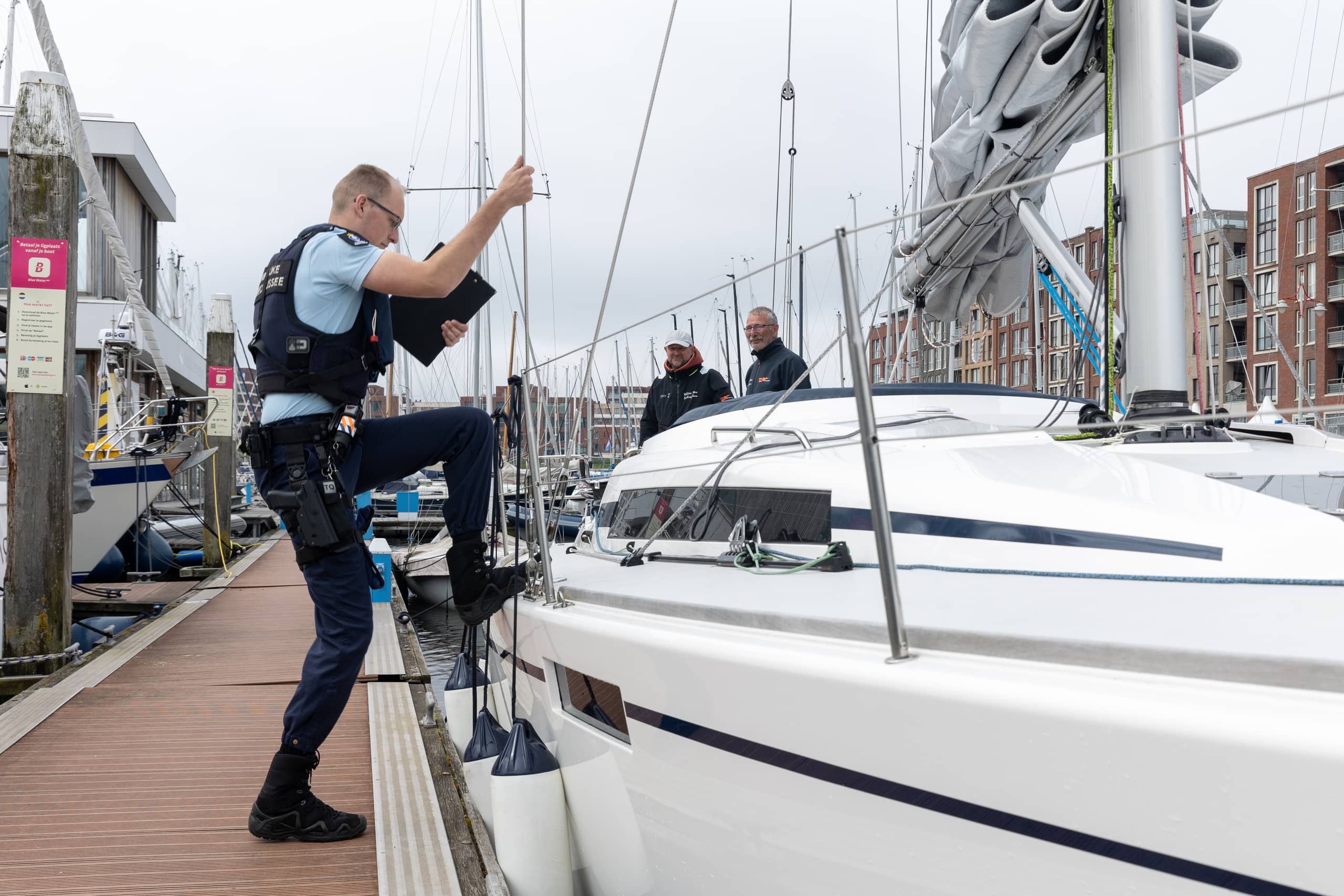
On the water
Supervision also occurs on the water and in ports for commercial and recreational vessels sailing to the Netherlands from other countries. The Marechaussee deploys its own vessels for patrols and checks in coastal waters and within ports. A selection is always made of the vessels to be inspected; there is no standard check for every vessel.